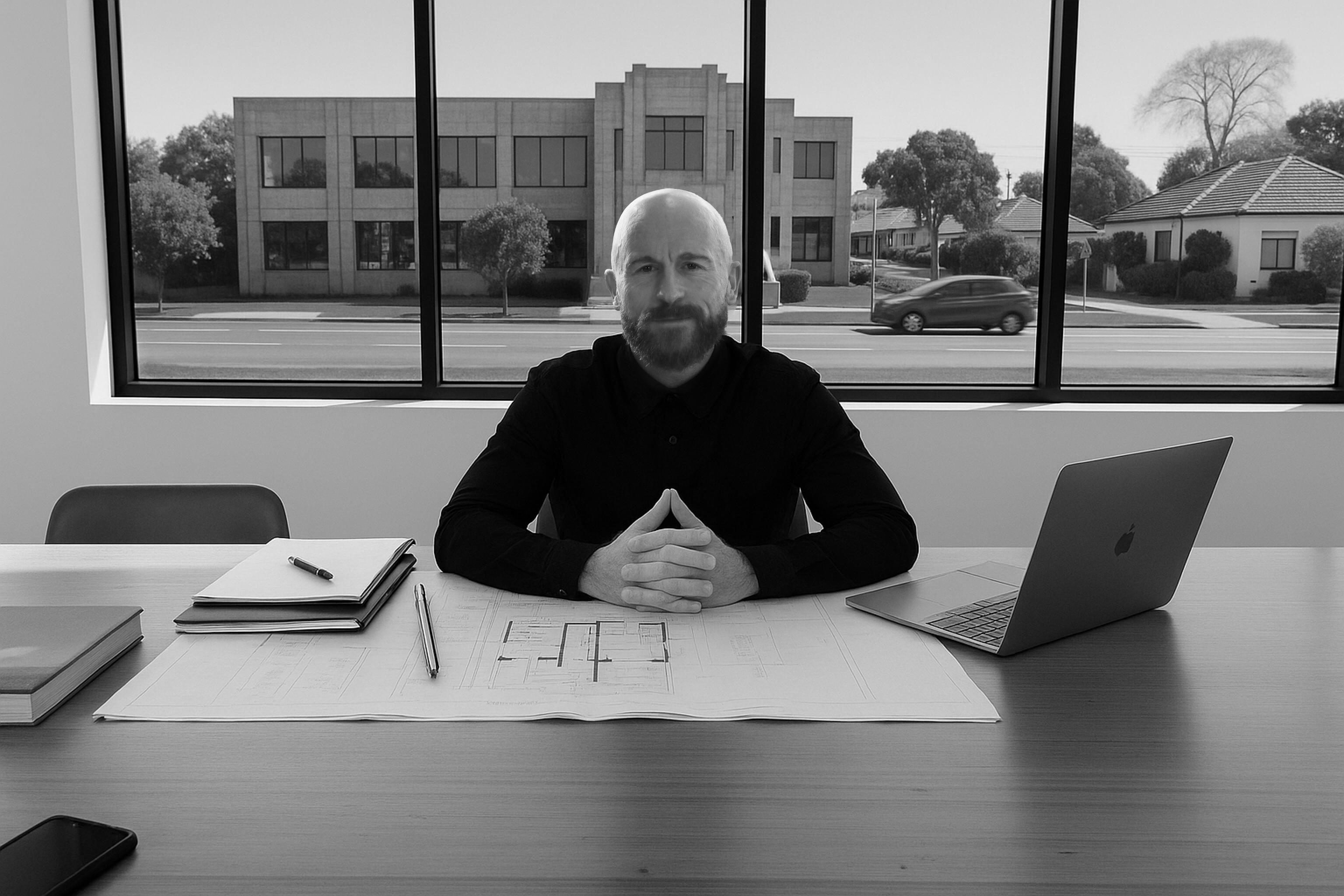
David Prior
Company Director Construction DivisionDomestic Builder Registration DB-U100663
Company Registration CDB-U 100670
With 25 years of construction experience, David is an innovative and skilled development builder specialising in high-end residential projects. Under the guidance of award-winning builders, he has gained a deep expertise in luxury construction.
As a VBA-licensed and registered Building Practitioner, David upholds the highest standards of craftsmanship and compliance. He focuses on quality finishes and integrates innovative materials and design elements that create unique, inspiring spaces.
David's collaborative approach involves working closely with clients and architects to ensure projects align with their vision, resulting in aesthetically stunning and functionally superior residences.
Construction Experience
Glen Eira Road, Caulfield
-
 1 x 4 bed
-
1 x 3 bed
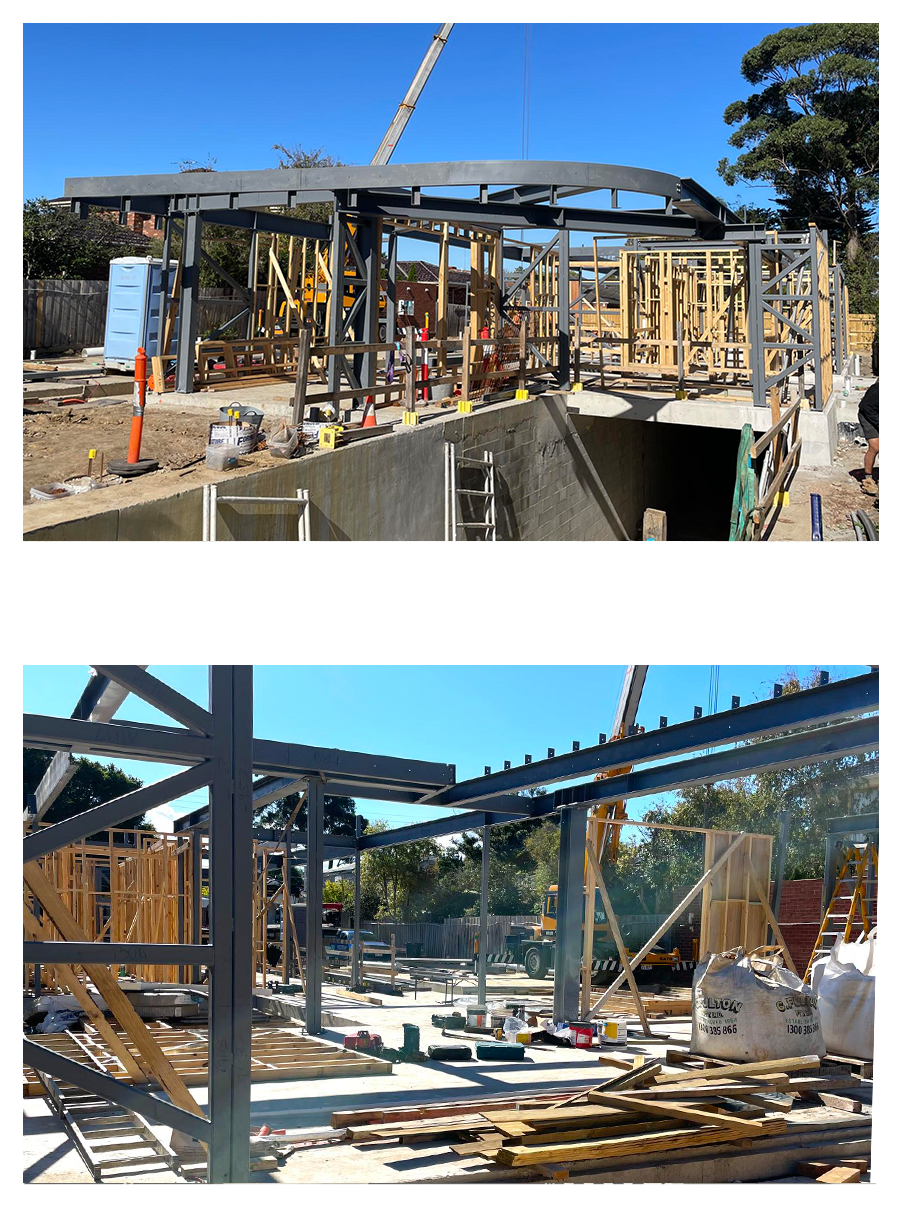
464 Glen Eira Road consists of two architect-designed residences in Caulfield. TH1 is a three-storey, four-bedroom ect. Throughout 2025, David’s has been focused on building two architect-designed residences in Caulfield. TH1 is a three-storey, four-bedroom luxury townhouse featuring a private pool, internal lift, and basement car park, spanning over 1155 sqm, and TH2 is a refined two-storey, three-bedroom residence with an internal lift spanning 234 sqm.
Having navigated the complex challenges of 100 deep core piles, intricate structural engineering and underground basement car park construction, the development is now progressing to the installation of structural steel columns and timber frames, setting the stage for unparalleled luxury living.
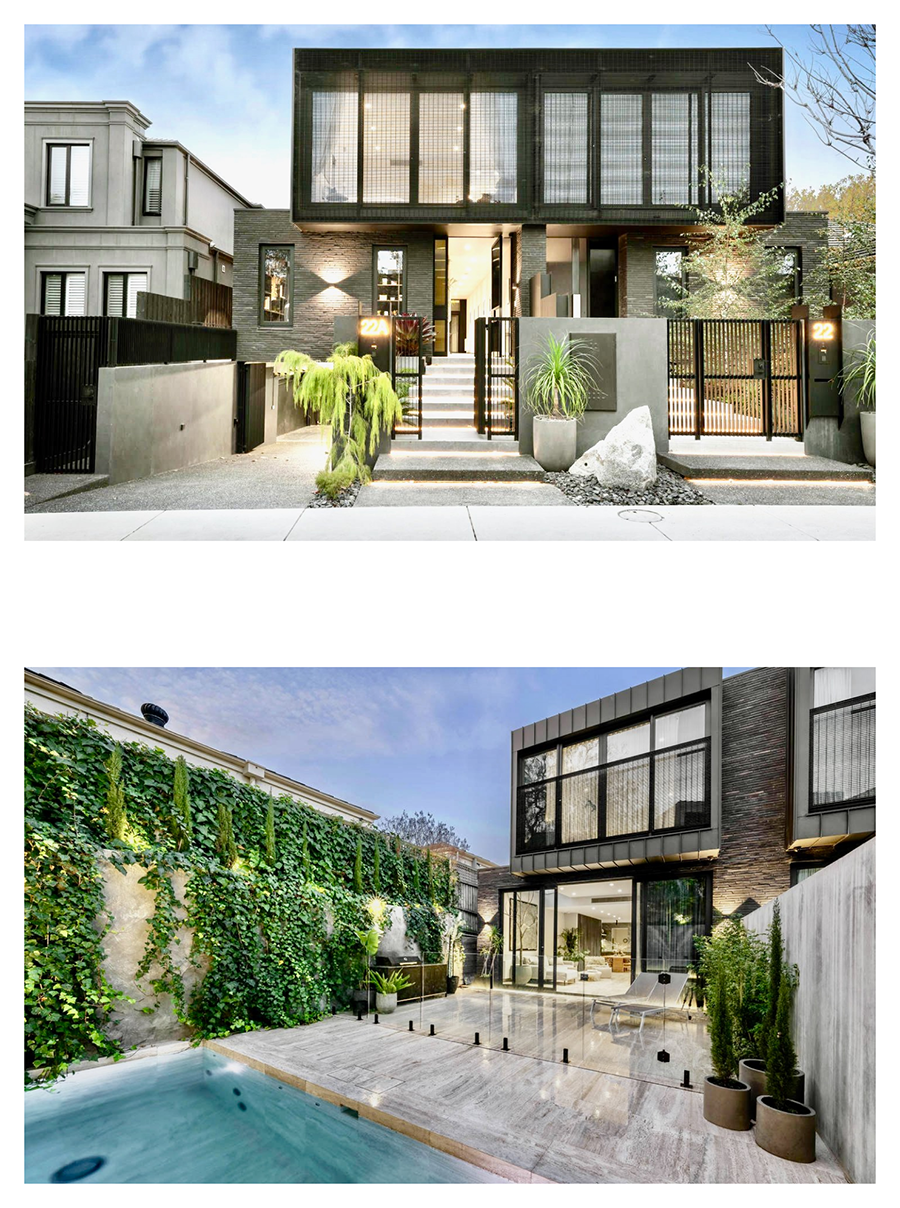
Milton Parade Malvern
-
 2 luxury 4 bedroom
townhouses
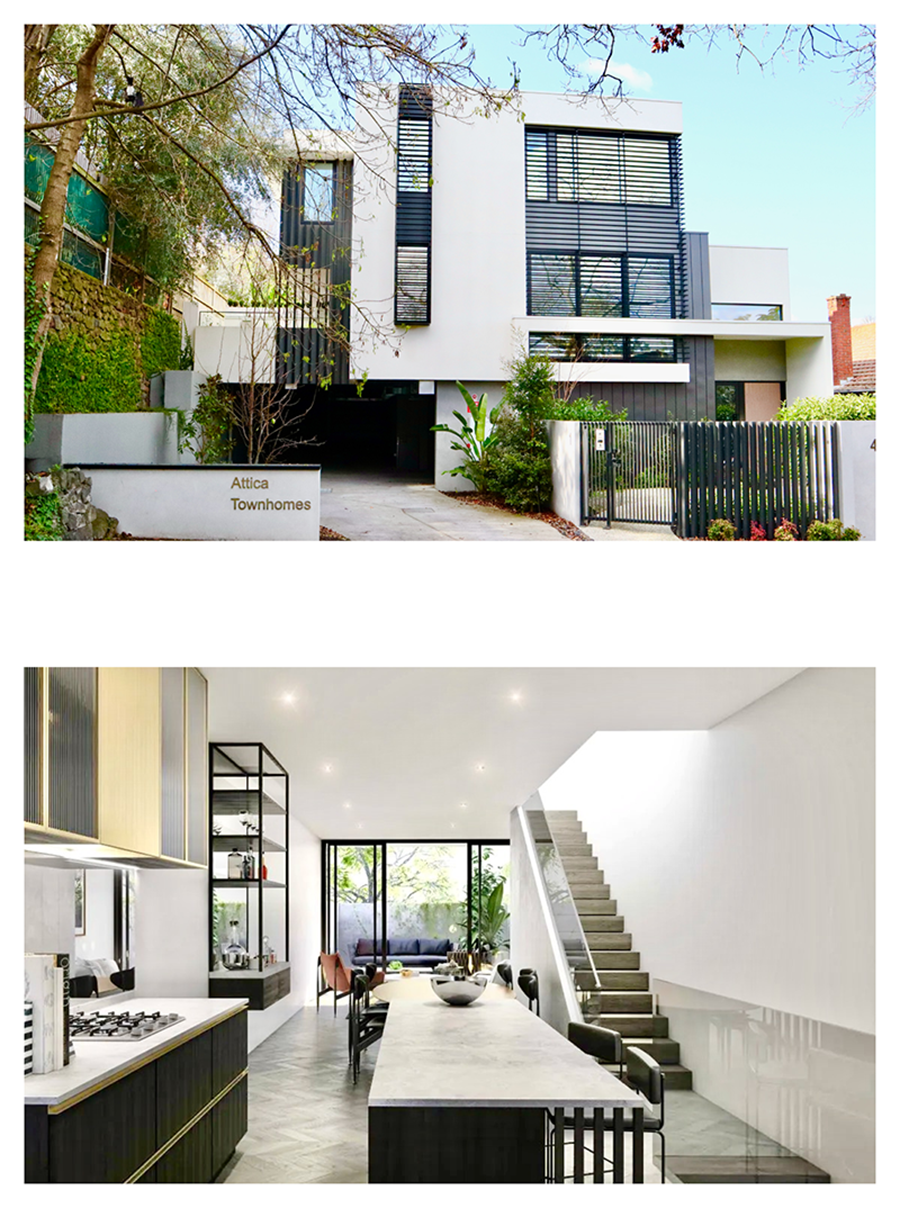
Lansdowne Road
St Kilda East
-
7 Townhouses
-
5 x 2 bed
-
2 x 3 bed
Glenhuntley Road
Caulfield
-
3 Story apartment block
with 5 units
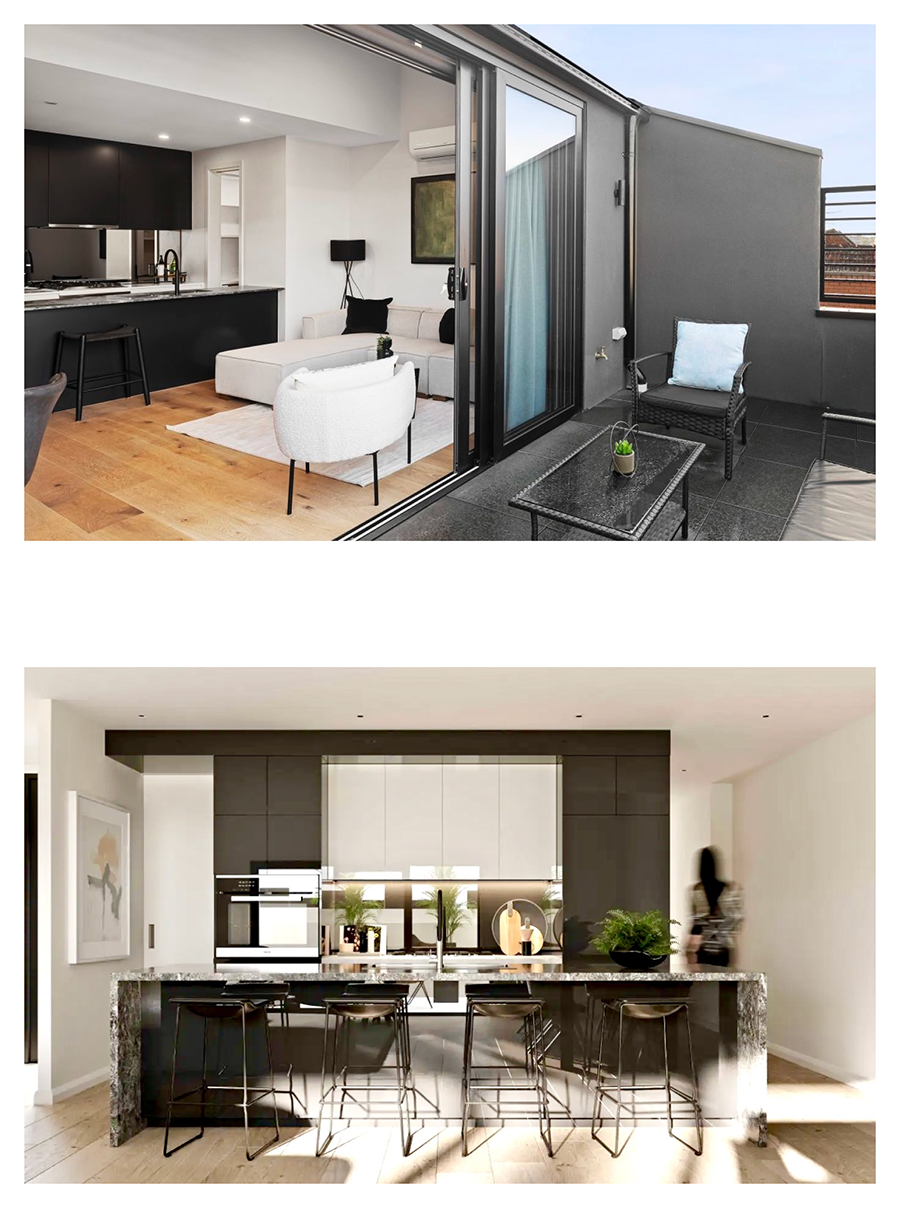
Bokhara Road Caulfield
-
Four bedroom home
luxury renovation
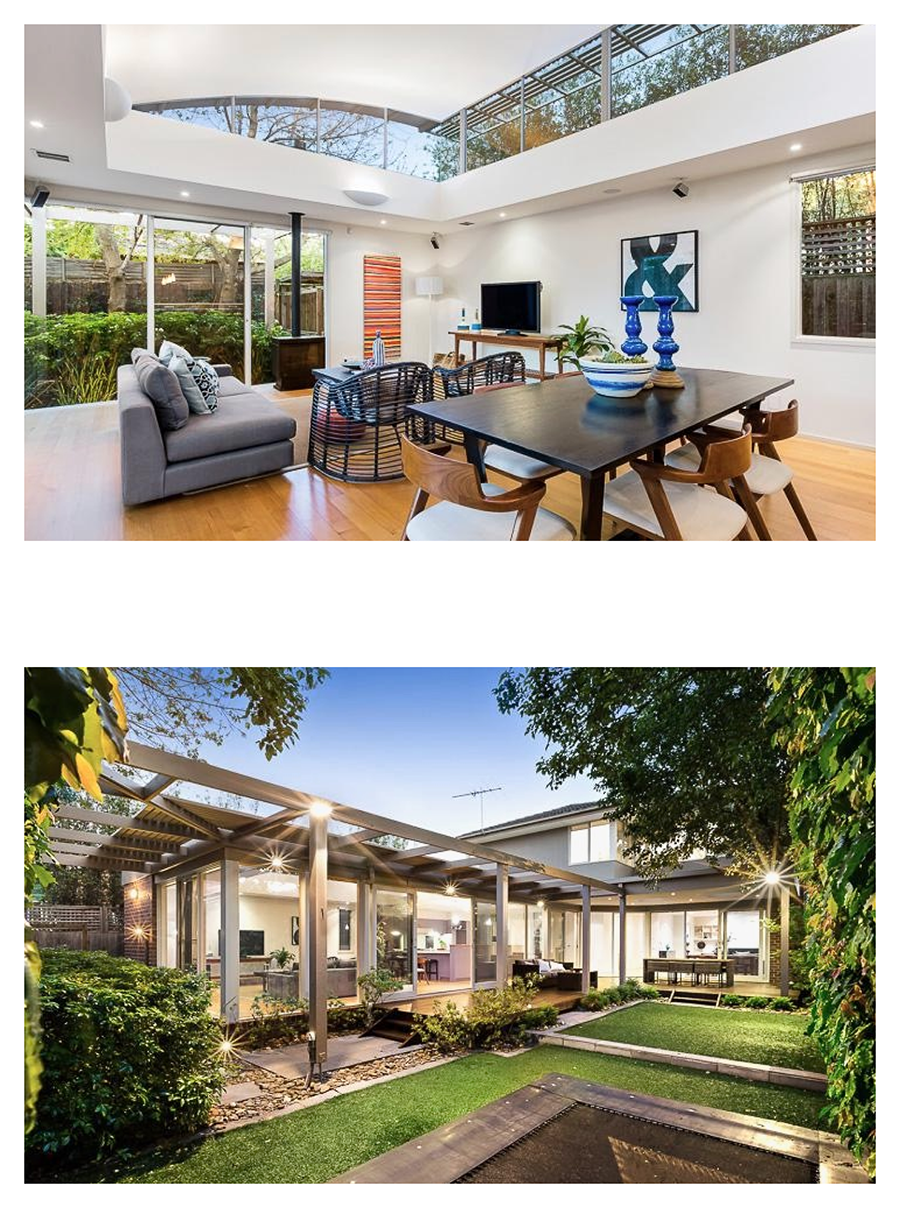
Rogers Avenue
Brighton East
-
 Construction of secondary
dwelling and home extension
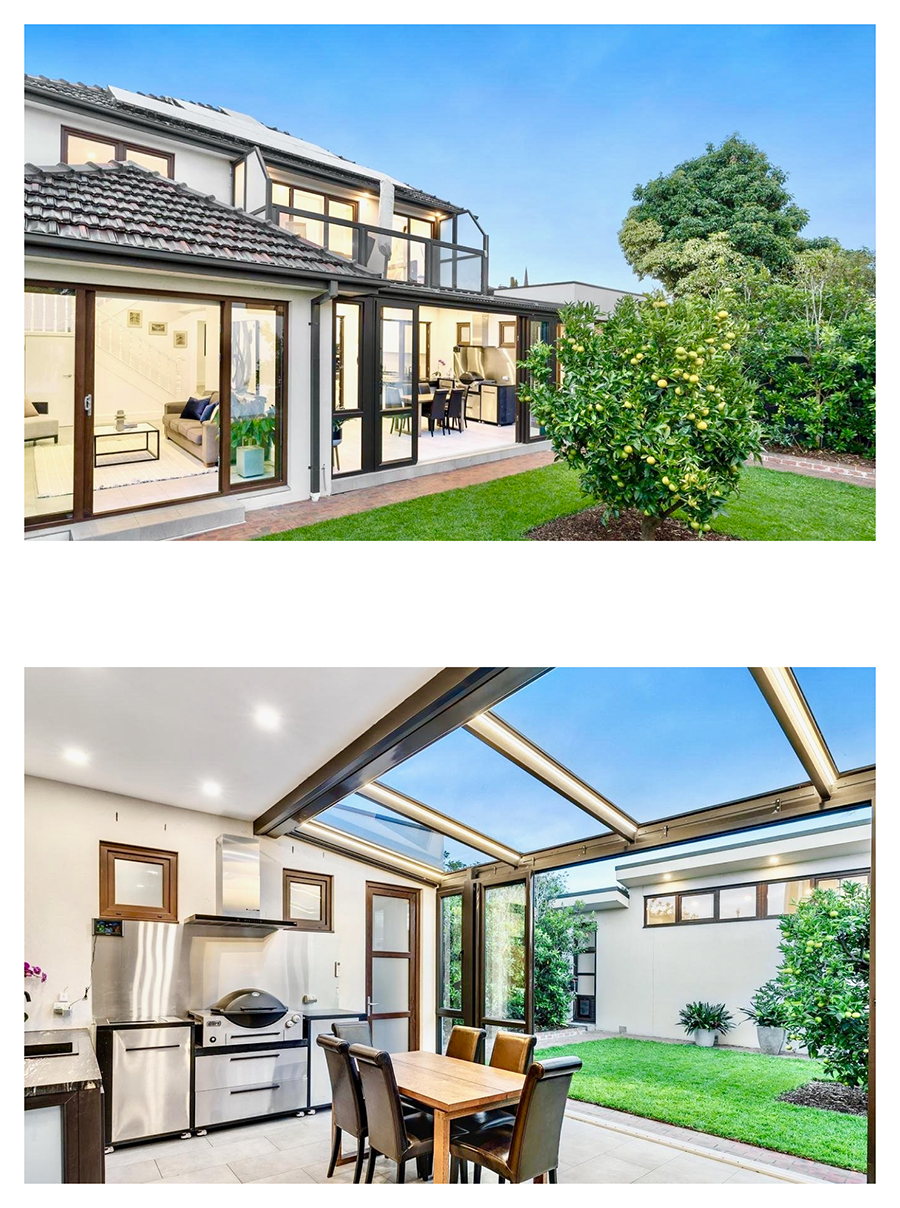
James Place Elwood
-
2 x 2 bed architecturally
designed apartments
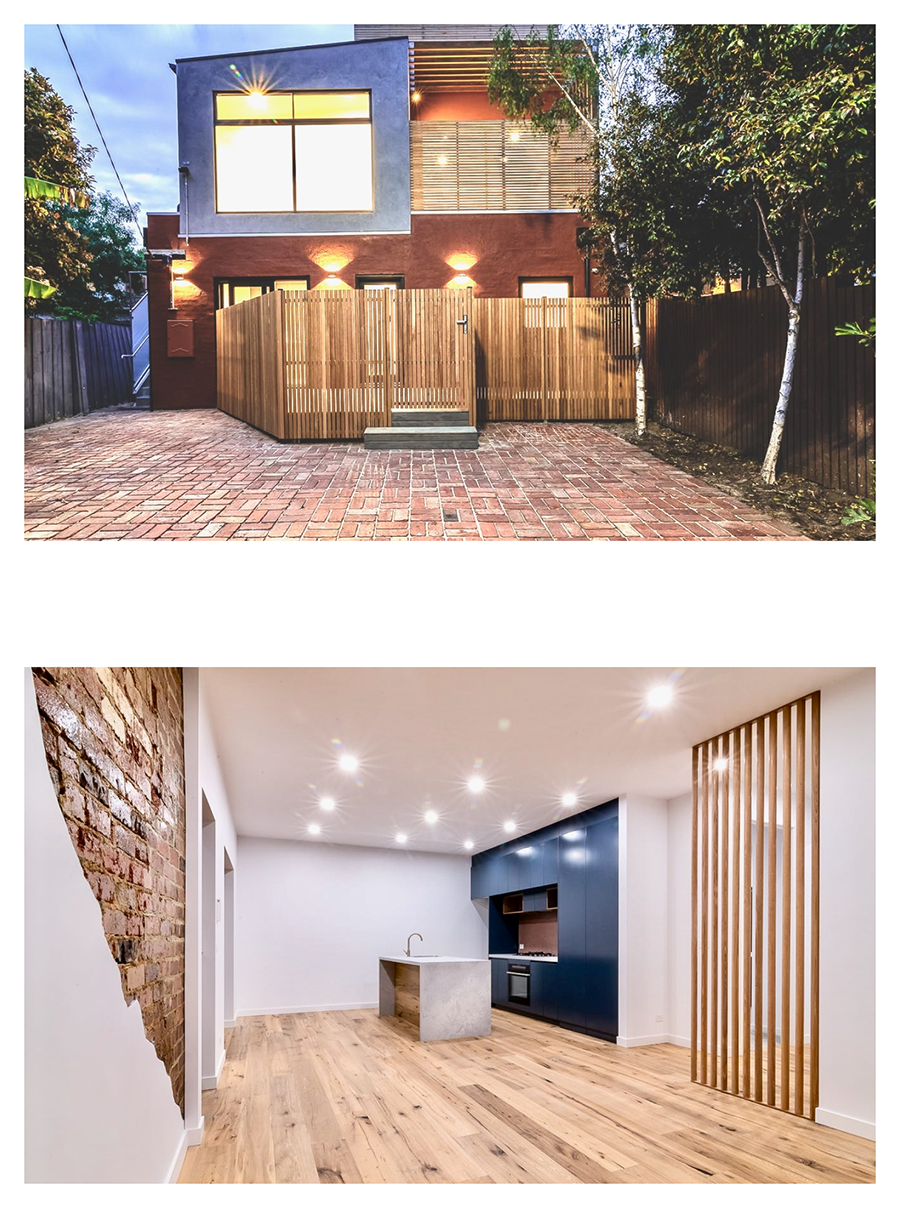

Risk Management involves a comprehensive approach involving risk identification, analysis, treatment, and continuous monitoring. By employing qualitative and quantitative assessments, utilising specialist tools, and implementing robust monitoring and reporting systems, our organisation can mitigate risks and manage negative impacts on our projects.
-
1 Risk Identification determines risks that could prevent the project from achieving its objectives. It involves identifying the events that can negatively affect the project. Common methods for risk identification include:
-
Specialist knowledge and construction experience
-
Expert consultation
-
Qualitative and Quantitative analysis
-
Use of specialist risk analysis tools like SWOT. Assessing Strengths, Weaknesses, Opportunities and Threats
-
-
2 Risk Evaluation involves comparing the level of risk against predefined risk criteria to determine whether the risk is acceptable or requires management. The risk evaluation process includes.
-
Establishing contexts based on organizational plans and policies
-
Identifying risk categories relevant to the project (financial, legal, operational)
-
Analysing and evaluating the likelihood of occurrence and consequence
-
Assessing the adequacy of control measures and risk tolerance
-
-
3 Risk Analysis
The identified risks are then assessed in one of two ways. Qualitative Analysis assesses risk based on its probability and impact. It is used to understand underlying reasons, opinions, and motivations. In comparison, Quantitative Analysis assesses financial implications; this involves objective measurements and financial analysis.
-
4 Risk Treatment involves implementing measures to control risk. Strategies include:
-
Avoidance: Altering plans to avoid risk and developing alternative strategies
-
Retention: Accepting the risk where the outcome is within the predefined risk tolerance or where the cost of mitigation exceeds the benefit
-
Control: Reducing the impact or likelihood of occurrence through risk control measures.
-
Transfer: Assigning the risk to a third party through insurance or legal contracts
-
-
5 Monitoring and Reporting are crucial for effective risk management. Risk management progress is continually monitored and recorded in an up-to-date risk register. Regular reporting ensures that risk responses are appropriate and effective measures are in place.
Quality
Assurance
A Quality Assurance Plan provides a framework for delivering products and services that meet quality expectations. Our Quality System integrates with other systems, like Health and Safety, Environmental Management, and Risk Management.
However, Quality Assurance is not just a process or strategy for construction operations but a comprehensive project management philosophy. Its overarching purpose is to promote the continuous improvement of the organisation's quality management systems and the personal development of its members and stakeholders.
This approach ensures that the entire environment affecting the projects lifecycle is viewed in its broadest sense, including health, safety, quality of life, and the satisfaction of all people involved in the business operations.
By striving for continuous improvement and the well-being of all stakeholders,(QAP) enhances the quality of the final construction project and builds a stronger, more cohesive, and resilient organisation.
Quality Assurance - Procurement
-
This begins with a rigorous selection and assessment of suppliers based on quality standards, certifications, and track records.
-
Communicate clear expectations and provide detailed documentation, including quality manuals and Standard Operating Procedures. (SOP)
-
Implement a robust quality review system with regular inspections and audits to monitor compliance and address non-conformances promptly.
-
Set clear performance metrics (KPI) to measure supplier performance and conduct regular reviews to ensure quality consistency.
-
Implement continuous improvement programs and regular reviews to share best practices and enhance quality performance.
