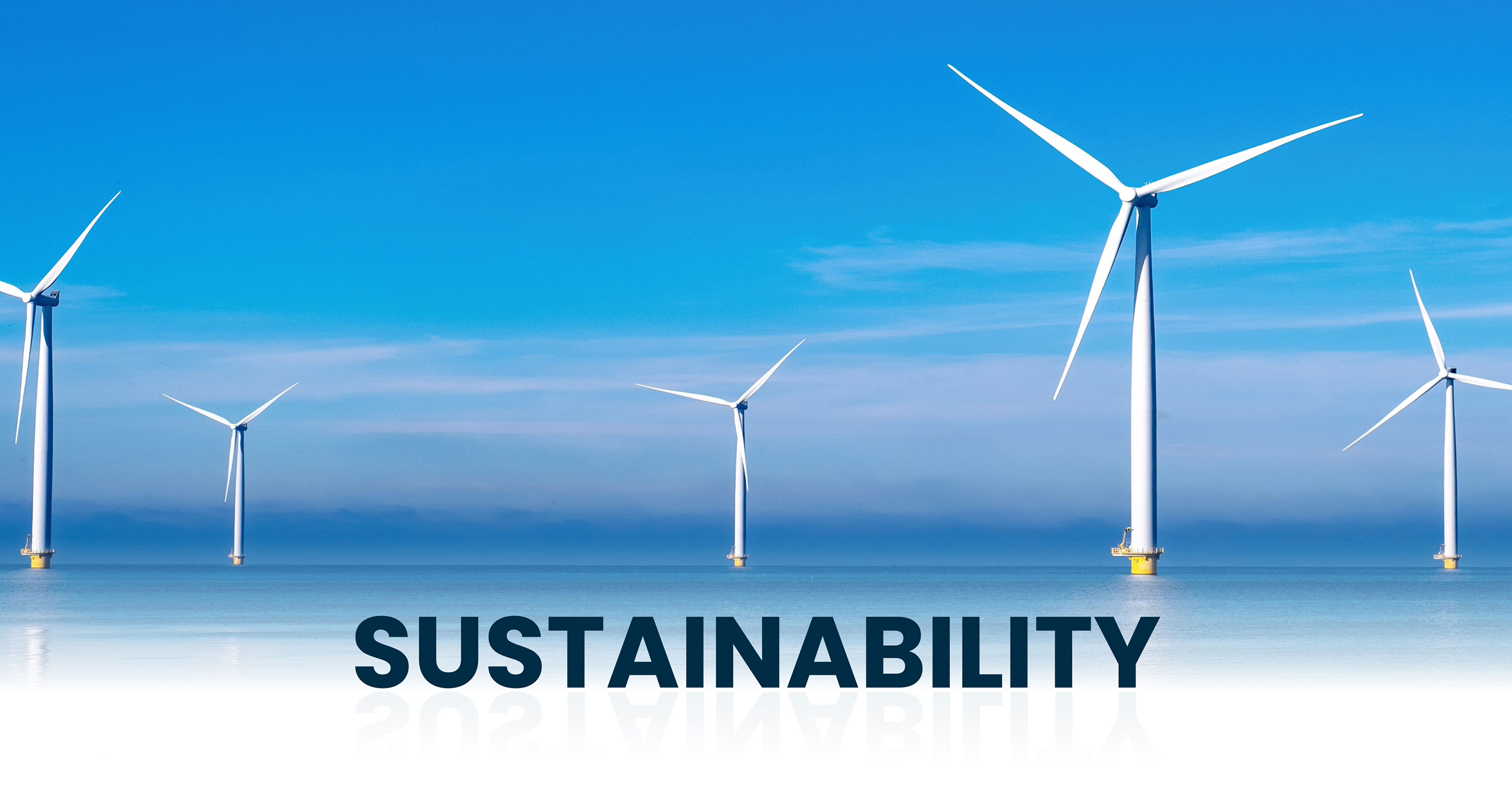
Sustainability As a Standard
Our industry-leading approach to sustainability is designed to future-proof your asset, enabling your building to work smarter and save you money. We create places where resources are reused, recycled, and restored and commit ourselves to progressive initiatives that enable people to lead more environmentally friendly lives.
Consuming Responsibly
We have established bold environmental objectives for our business and resource procurement processes. Incorporating sustainability into our building practices is an environmental imperative and a strategic business move that aligns with modern market demands and regulatory expectations. As a forward-thinking construction company, we embrace sustainable methods that can significantly reduce environmental impact, enhance building performance, and provide long-term economic benefits.
High-Efficiency LED Lighting
Lighting accounts for a significant portion of a building’s energy consumption. Switching to high-efficiency LED lighting can drastically cut energy use and costs. LEDs consume up to 75% less energy and last 25 times longer than incandescent lighting. By integrating intelligent lighting controls and sensors, we can further optimise energy use, ensuring lights are only used when needed, thus enhancing energy efficiency and reducing operational costs.

Electric Vehicle Charging Infrastructure
Electric vehicles (EVs) are rapidly gaining popularity as a cleaner alternative to traditional fossil-fuel-powered vehicles. By installing EV charging infrastructure in residential and commercial projects, we can encourage the adoption of EVs among occupants and visitors. This reduces greenhouse gas emissions and positions our buildings as future-ready, catering to the increasing demand for EV charging solutions.

Thermal Performance
Our projects are designed to ensure better insulation, reducing heat loss in winter and heat gain in summer. This includes improved wall, roof, and floor insulation, improved window glazing, and minimising thermal bridges (areas where heat can transfer more easily).
Solar Gain Ventilation and Shading
Our designs carefully consider the orientation and placement of windows, enabling us to optimise natural ventilation, maximise solar gain in winter, and reduce thermal heat in summer. Additionally, efficient heating and cooling systems, such as high-efficiency air conditioners and heat pumps are recommended.

Solar Energy
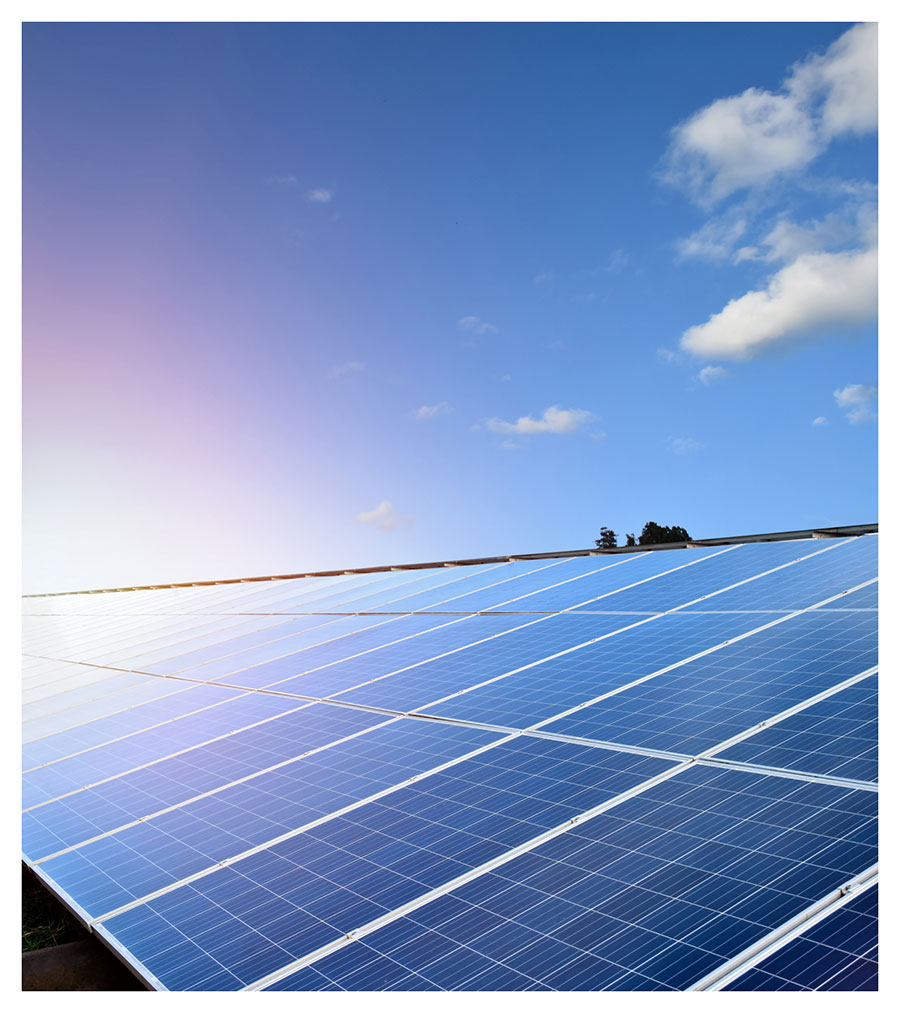
Harnessing solar energy through rooftop solar panels is a powerful way to reduce a building's reliance on non-renewable energy sources. Solar panels convert sunlight into electricity, providing a renewable and sustainable energy source. Implementing rooftop solar can significantly lower energy bills and carbon footprints, making our buildings more self-sufficient and environmentally friendly. Additionally, offering options for net metering can allow building owners to sell excess energy back to the grid, creating a potential revenue stream.
Integration of On-Site Battery Storage
Integrating on-site battery storage allows buildings to store excess energy generated from renewable sources like rooftop solar. This stored energy can be used during peak demand periods or power outages, ensuring a reliable energy supply and reducing reliance on the grid. Piloting on-site battery storage can enhance energy resilience and further reduce carbon footprints, demonstrating our commitment to cutting-edge sustainability practices.
Rainwater Tanks
Collecting and storing rainwater in tanks is a simple yet effective way to conserve water. Rainwater tanks can capture runoff from roofs and other surfaces, providing a free and sustainable water source for non-potable uses such as irrigation, toilet flushing, and cleaning. This reduces demand for municipal water supplies and lowers water bills, contributing to overall water conservation efforts.
Diverting Construction and Demolition Waste from Landfill
Construction and demolition activities generate substantial waste, much of which can be recycled or repurposed. We can divert various waste products from landfills by implementing robust waste management plans. This involves separating materials on-site, partnering with recycling facilities, and encouraging the reuse of building materials. Diverting waste reduces environmental impact and promotes a circular economy where resources are continuously reused and recycled.
Sustainability Implementation
Incorporating these sustainable practices into our construction methods can significantly enhance environmental performance, reduce operating costs, and meet the growing demand for green buildings. By adopting these strategies, we demonstrate our commitment to sustainability, innovation, and the well-being of future generations.
The Sustainability Advantage

Energy Savings
Homeowners benefit from lower energy bills due to reduced heating and cooling needs.

Comfort
Better-insulated and ventilated homes provide a more comfortable living environment year-round.

Environmental Impact
Reduced energy consumption leads to lower greenhouse gas emissions, contributing to environmental sustainability.

Property Value
Homes with higher energy ratings often have higher market value and appeal to environmentally conscious buyers.